ASLI INSIGHTS: Asia Unpacked | 6 March 2026
From the strike by US submarine, Malaysia’s approved investment, Canada and India’s uranium supply agreement, France’s nuclear deterrence to Apple’s new products release
Top news in Asia this week:
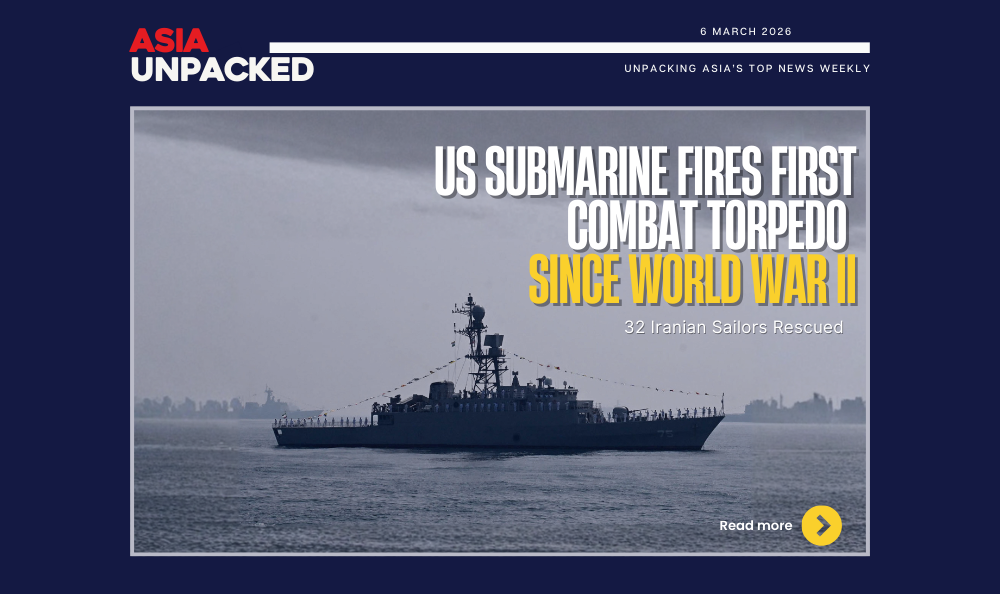
1. US Submarine Fires First Combat Torpedo Since World War II
A US submarine sank the Iranian warship Iris Dena with a torpedo in the Indian Ocean, marking the first time since World War Two that an American submarine has sunk an enemy vessel in this way. Sri Lanka’s navy, maintaining strict neutrality, responded to the distress call, rescuing 32 survivors and recovering 80 bodies. US Defence Secretary Pete Hegseth confirmed the strike, while Iran condemned the unprovoked attack in international waters as an "atrocity". This maritime escalation coincides with ongoing regional warfare following Ayatollah Khamenei's recent assassination.
Read more:
https://www.nytimes.com/2026/03/04/us/politics/submarine-torpedo-iran-ship.html
https://www.bbc.com/news/articles/c0e55g03v2zo
2. Malaysia recorded highest approved investments in 2025
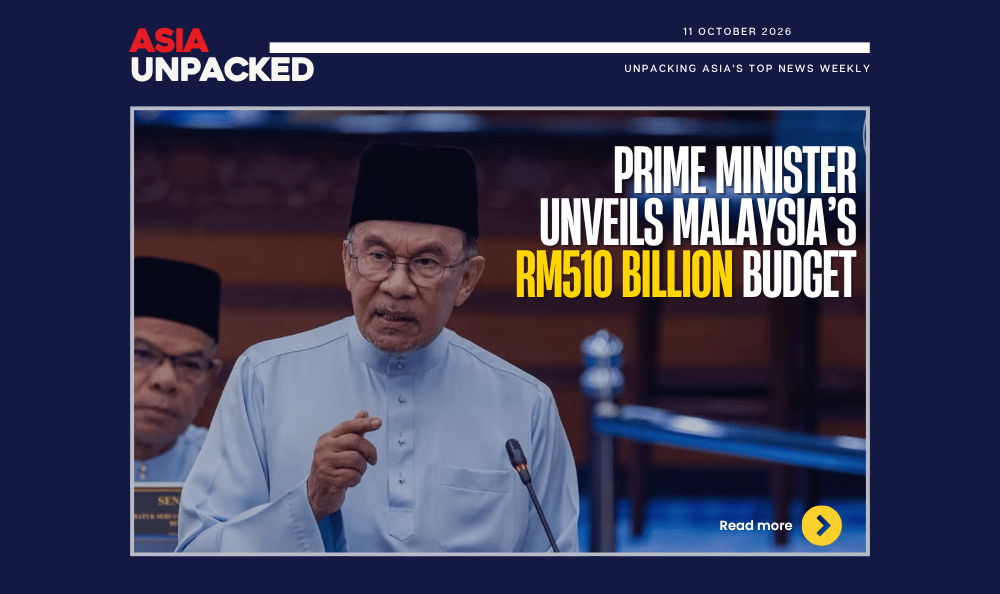
Prime Minister Anwar Ibrahim announced that Malaysia secured a record-breaking RM426.7 billion in approved investments last year, marking an 11% increase from 2024. These funds span 8,390 projects and are expected to generate nearly 245,000 jobs. Domestic investments accounted for 51.5% at RM219.6 billion, whilst foreign investments surged by 20.9% to RM207.1 billion. Anwar credited this milestone to global and local confidence in Malaysia’s stability and ongoing economic reforms. The government remains committed to ensuring these approvals translate into tangible technological advancements and public prosperity.
Read more:
https://www.bernama.com/en/region/news.php?id=2530953
3. Canada, India Strike $1.9 Billion Uranium Supply Agreement
Canadian Prime Minister Mark Carney has signed multiple agreements with India to deepen bilateral ties and reduce Canada’s economic reliance on the US. Key deals include a US$1.91 billion contract for Cameco to supply uranium to India and a forthcoming Comprehensive Economic Partnership Agreement aimed at doubling mutual trade to C$70 billion by 2030. The visit yielded over C$5.5 billion in commercial agreements, encompassing critical minerals, technology, and an expansion of HCL Technologies in Canada. The leaders also committed to enhancing cooperation in security and law enforcement.
Read more:
4. France to expand nuclear deterrence to other EU nations
French President Emmanuel Macron has announced a historic expansion of France's nuclear defense policy, increasing its nuclear arsenal and launching a new nuclear-armed submarine by 2036. In a shift dubbed "advanced deterrence," France will extend its nuclear umbrella to eight European nations, allowing them to host bombers and participate in exercises. While Macron retains sole authority over nuclear strikes, France will stop disclosing its warhead count. Furthermore, Paris signed a pact with Germany to deepen nuclear and conventional defense cooperation, complementing existing Nato frameworks.
Read more:
https://www.bbc.com/news/articles/cj4zlnezrl7o
https://www.ft.com/content/45d90eeb-5084-4c22-8d4a-9fdb223759fb
5. Apple releases new iPhones and MacBooks
Apple has unveiled a new lineup of products aimed at both budget-conscious consumers and high-end users. Key announcements include the iPhone 17e, an affordable model featuring the A19 chip and a 48-megapixel camera, and the MacBook Neo, a new entry-level laptop designed to compete with Chromebooks. Additionally, Apple introduced upgraded MacBook Pro and Air models powered by the latest M5 chipsets, alongside a refreshed iPad Air boasting increased RAM at no extra cost. The company also revealed two new 5K monitors, the standard Studio Display and the premium XDR version.
Read more:
https://apnews.com/article/apple-iphone17e-macbook-monitors-ipad-e52b1d9b4df4c0bc6b40b11dc155450b
https://edition.cnn.com/2026/03/04/tech/apple-event-macbook-neo-release